 Check Your Eligibility
Detailed Eye Alignment Evaluation
Assessment of eye position, movement and coordination to understand the type and extent of squint.

Squint, or strabismus, occurs when both eyes do not remain properly aligned and look in the same direction. Early evaluation can help identify the cause and determine the appropriate treatment, particularly in children.
Medically reviewed by Dr. Amit N. Solanki, MBBS, DOMS, DNB, FAECS
Squint, medically known as strabismus, is a condition in which the two eyes are not properly aligned and may point in different directions.
One eye may look straight while the other turns inward, outward, upward or downward. The deviation may be present constantly or appear intermittently.
In children, timely assessment is vital because persistent misalignment can interfere with normal visual development and lead to amblyopia (lazy eye) and loss of binocular depth perception.


Specialized eye alignment evaluation and compassionate care for children and adults.
Assessment of eye position, movement and coordination to understand the type and extent of squint.
A comfortable approach to examining and managing squint in children.
Evaluation for associated vision problems, including lazy eye, where clinically relevant.
Treatment recommendations based on age, vision, eye alignment and the underlying cause.
Management may include glasses, amblyopia treatment or surgery depending on individual findings.
Ongoing assessment to monitor vision development and eye alignment.
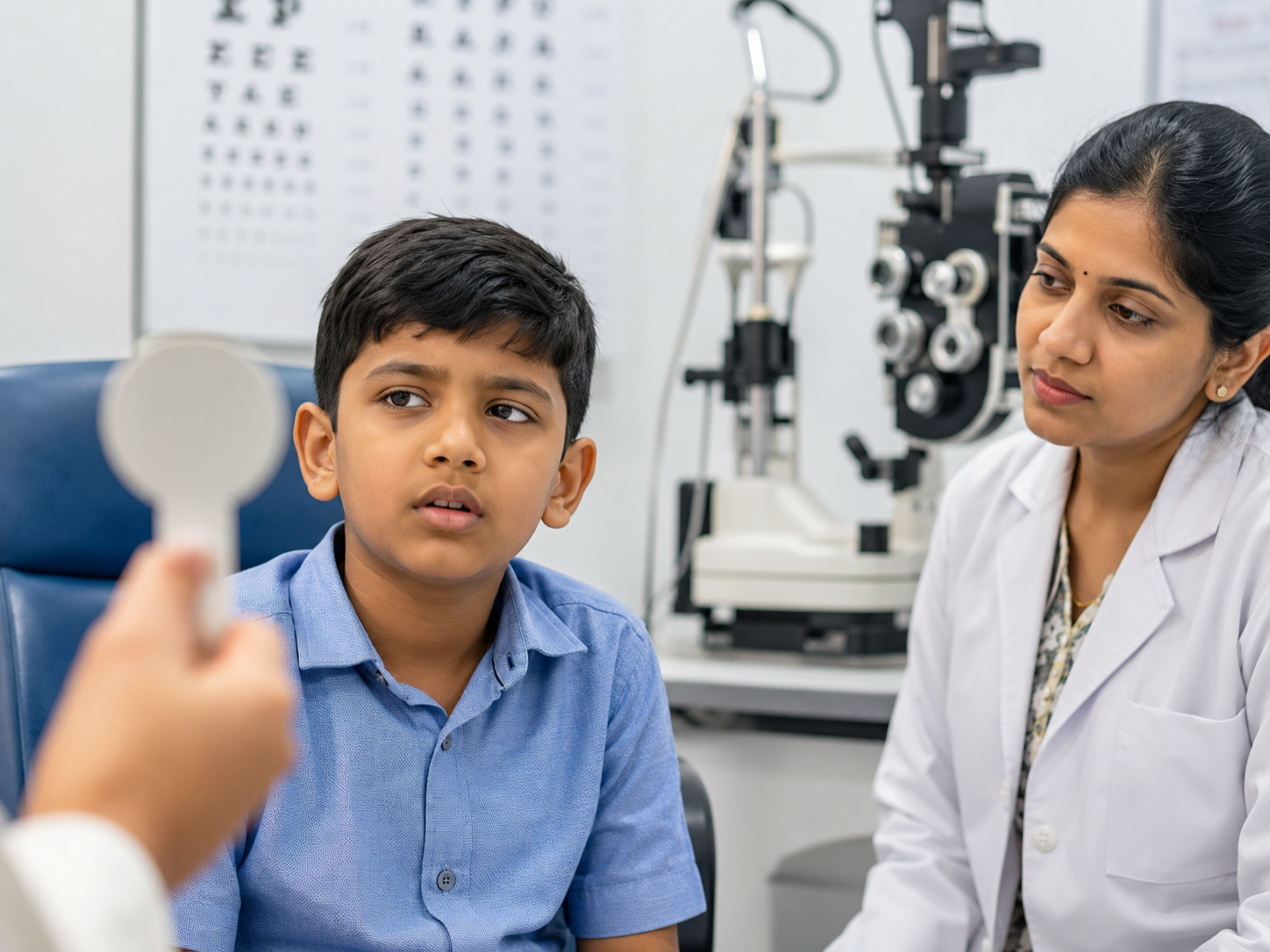



Care is planned according to the type of squint, its cause, age and its effect on vision.
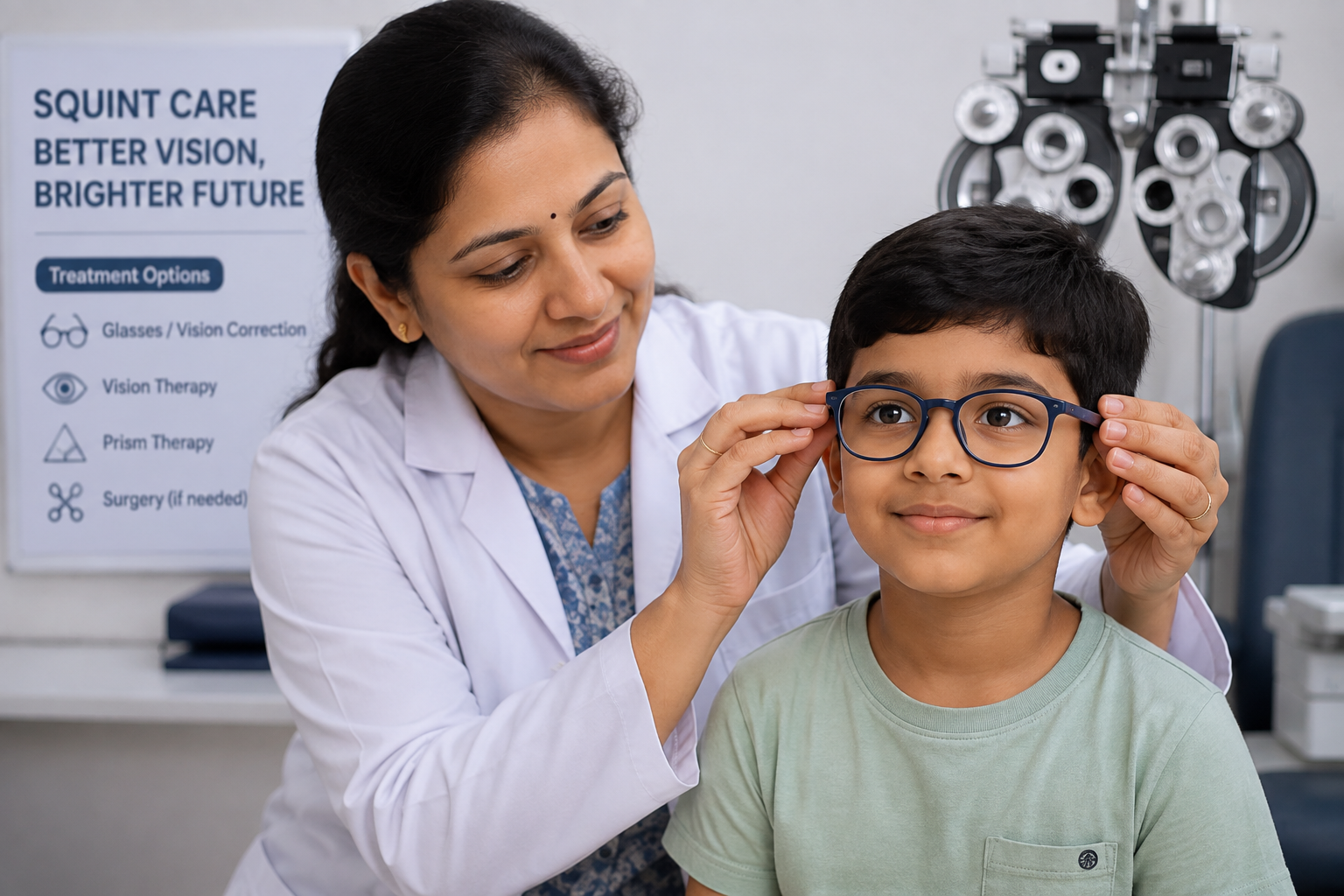
Prescription glasses may help improve vision and, in certain types of squint, can also improve eye alignment.
Book Consultation
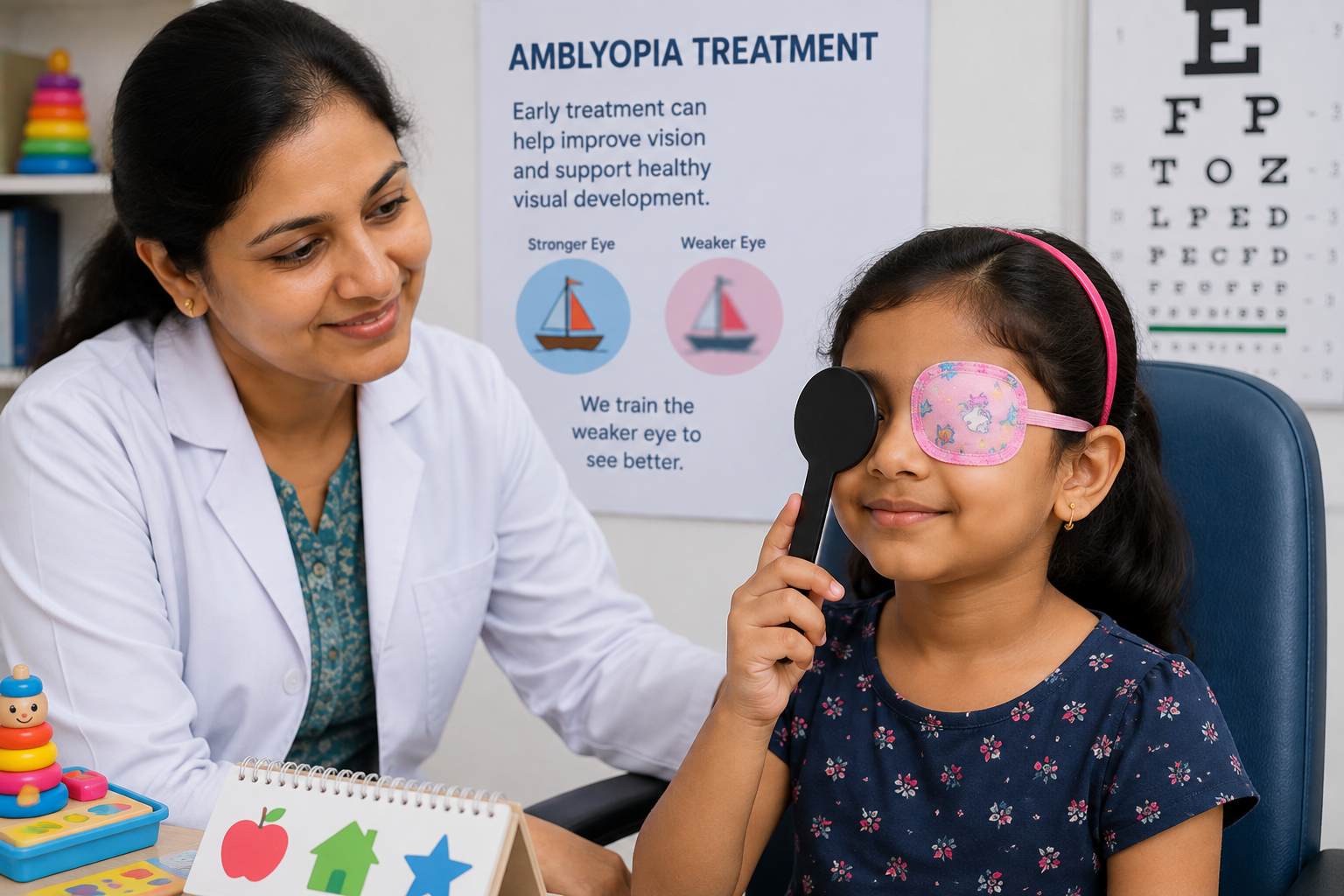
When one eye has reduced vision, treatment may be recommended to encourage visual development in the weaker eye.
Book Consultation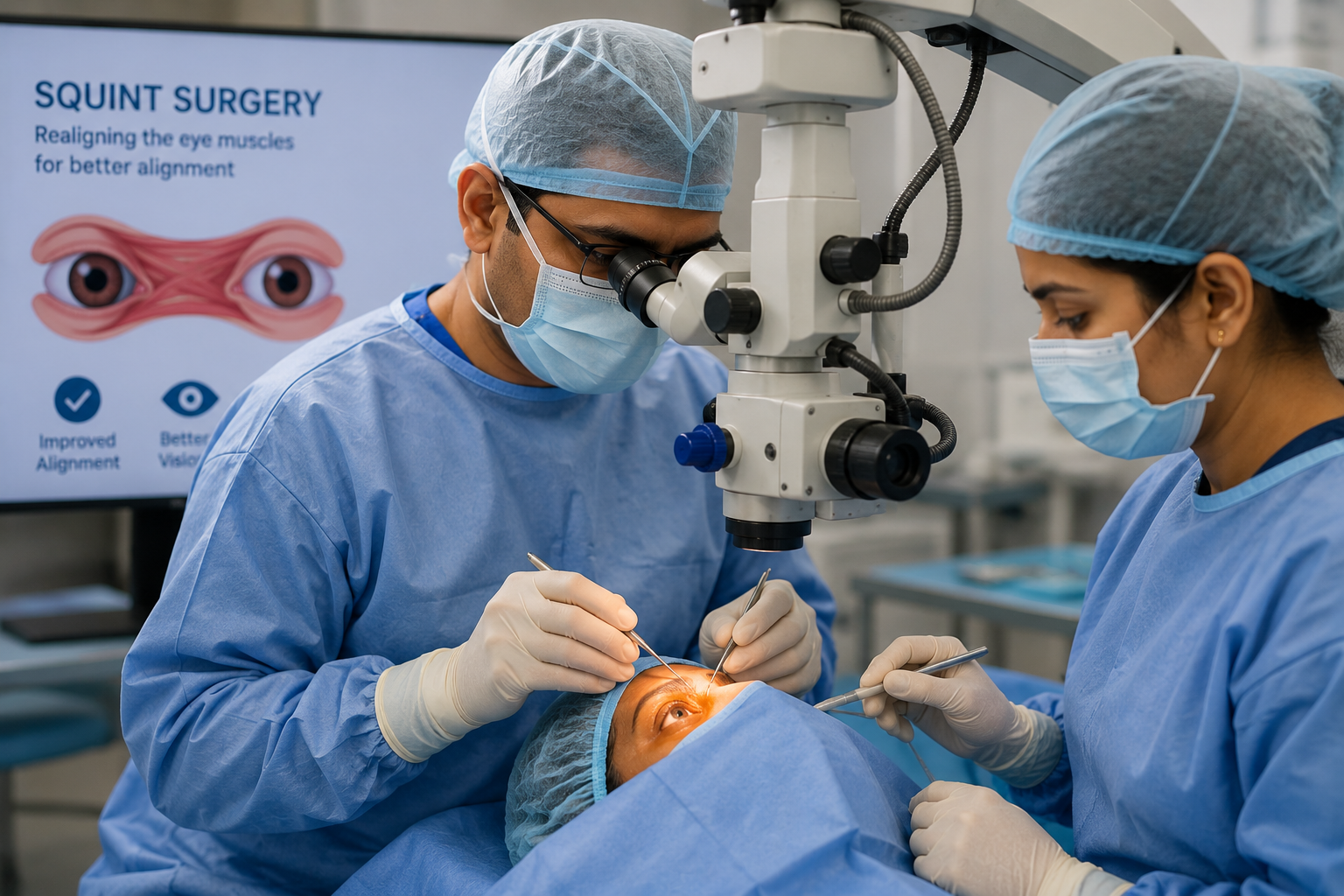
When clinically indicated, surgery can adjust the eye muscles to improve the alignment of the eyes.
Book ConsultationSupport visual development and eye alignment.

Early care can be particularly important while a child's visual system is still developing.
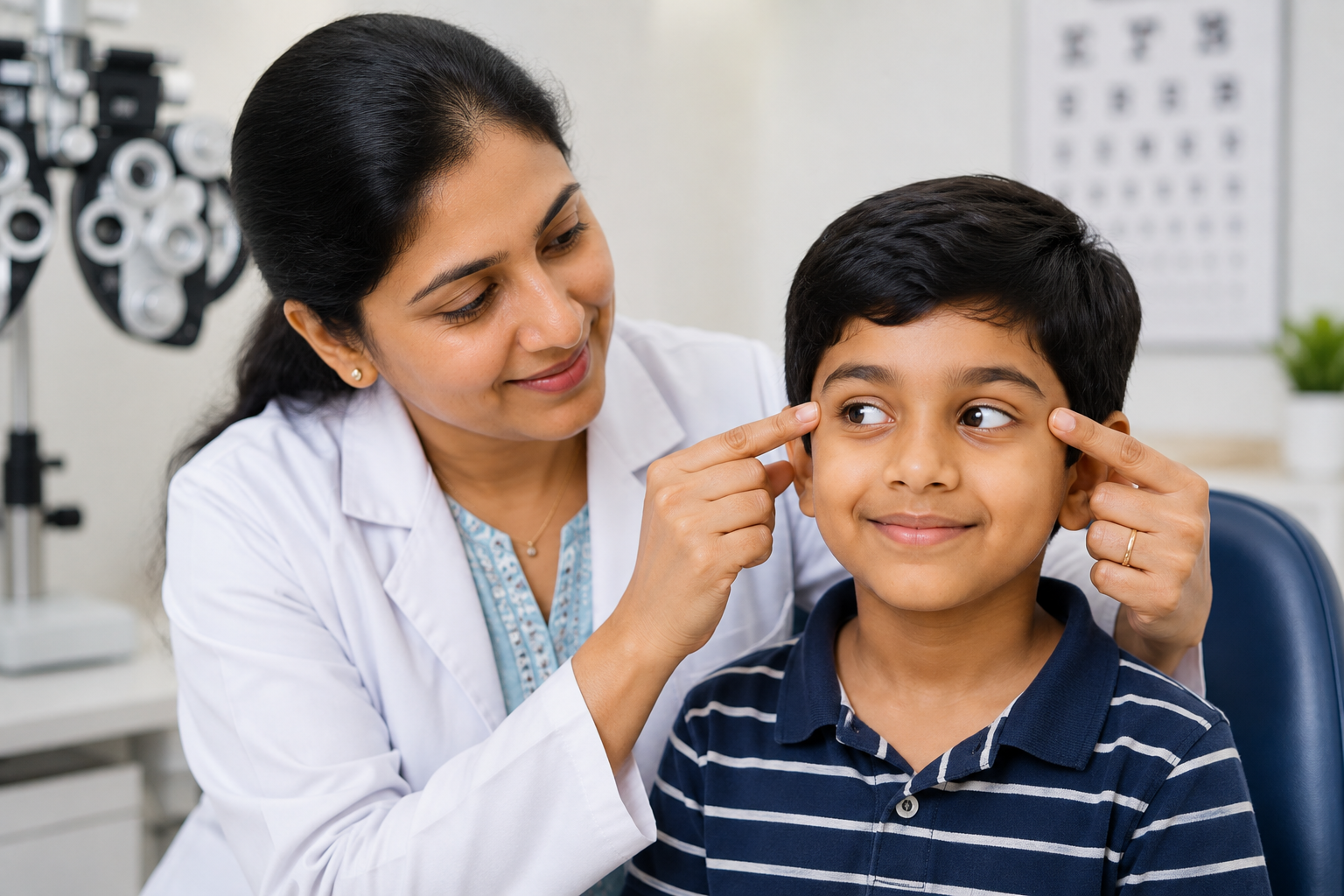
Appropriate management can help improve the position and coordination of the eyes.
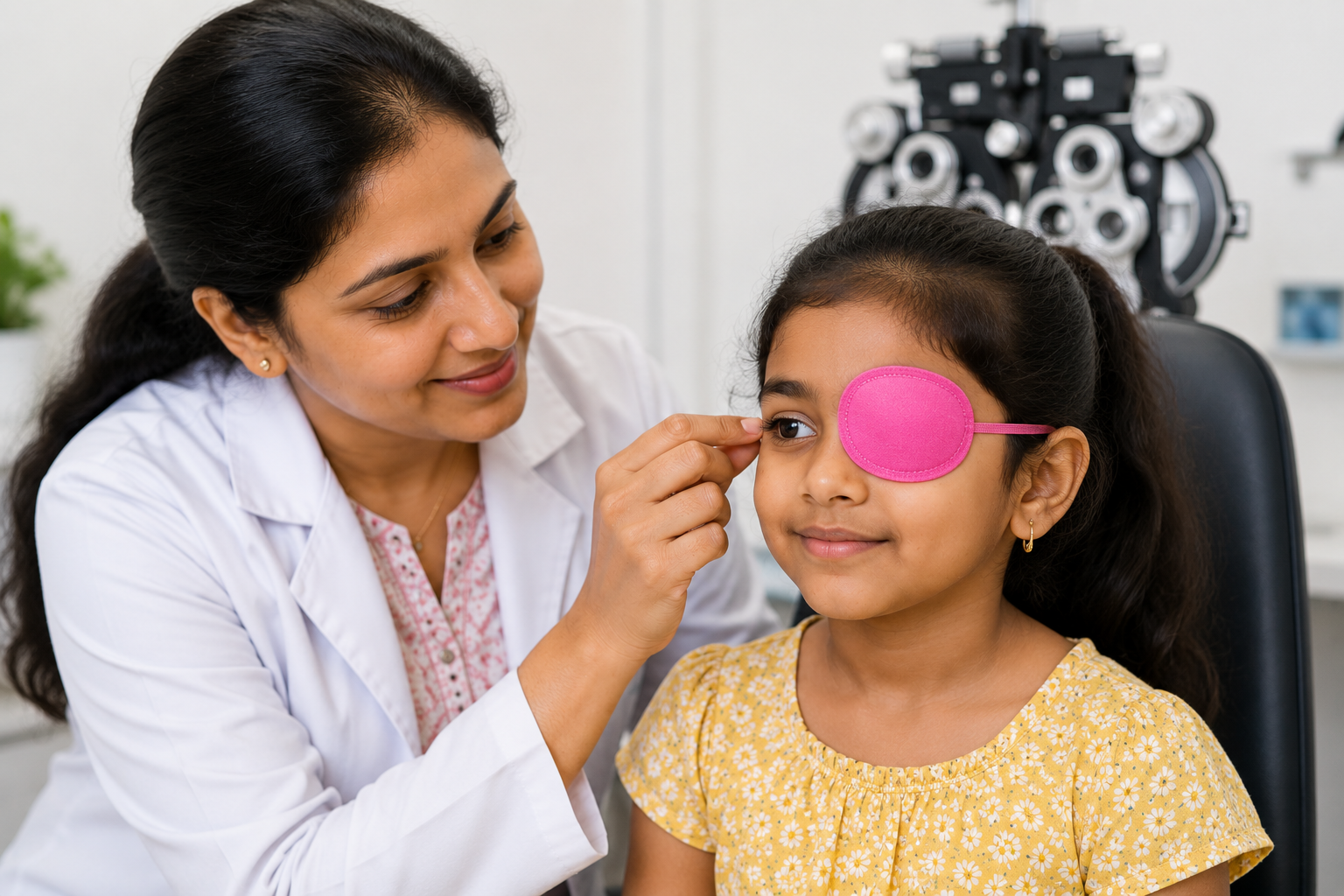
Identifying amblyopia early provides an opportunity to manage reduced vision in the affected eye.
Real experiences from patients and parents who chose squint evaluation and care

"Our family recently had the opportunity to take laser and cataract surgery services at Shanti Eye Tech Hospital, and it was truly an amazing experience from start to finish. Dr. Amit Solanki and his dedicated staff went above and beyond in taking care of us. It's rare to find a place where advanced medical care meets such heartfelt compassion."
"Dr. Solanki explained everything clearly, which gave us a lot of confidence and comfort. The surgery was successful, and the post-operative care was also very attentive. His professionalism, calm nature, and expertise truly stand out."
"I had a very good experience at Shanti Eye Tech Clinic. Dr. Amit Solanki is extremely knowledgeable, patient, and attentive. He listened carefully to my concerns and explained the condition and treatment clearly, which made me feel very comfortable and confident."
Our eye care team can help you understand squint evaluation, treatment options and care plans.
Squint can have several causes, including problems with eye-muscle control, refractive errors, differences in vision between the eyes or other underlying eye or neurological conditions.
Squint can occur during childhood. Any persistent or recurring eye deviation should be evaluated rather than assuming the child will simply outgrow it.
Yes. In some children, the brain may begin relying more heavily on one eye, which can result in reduced vision in the deviating eye.
No. Treatment depends on the type and cause of the squint. Some patients may require glasses or amblyopia treatment, while surgery may be appropriate for others.
Yes. Adults with squint can also be evaluated for appropriate treatment depending on the cause, symptoms and eye alignment.
If you notice persistent, frequent or recurring misalignment of the eyes, an eye examination should be arranged. Sudden-onset squint should be assessed promptly.
If you notice that your or your child’s eyes are not properly aligned, an eye examination can help identify the cause and determine the appropriate next step.
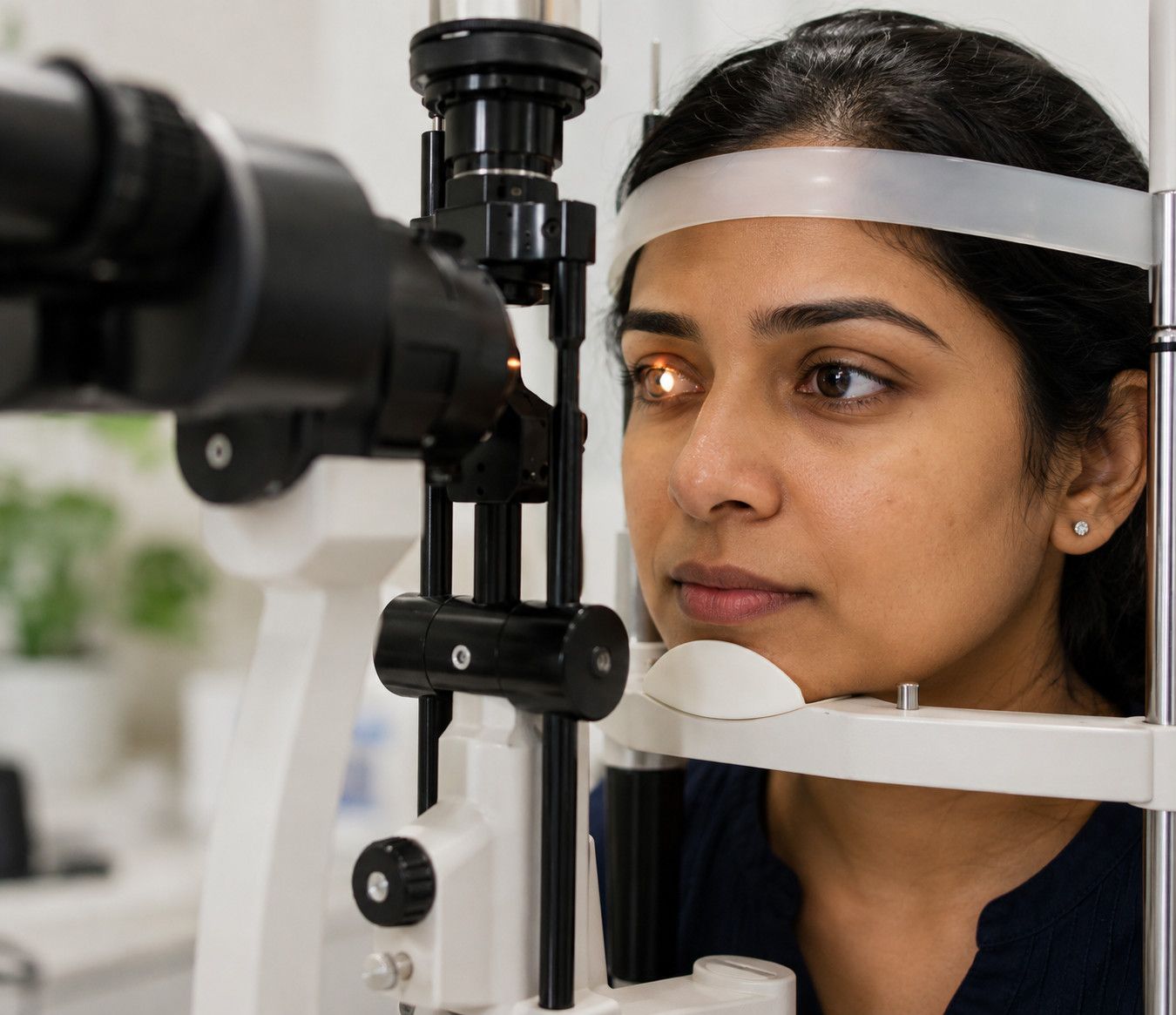
Evaluation Matters


 Book Consultation

 Call: +91 91791 91939