 Check Your Eligibility
Detailed Glaucoma Evaluation
Assessment of eye pressure, optic nerve health and other risk factors to identify signs of glaucoma.

Glaucoma care in Indore at Shanti Eye Tech focuses on protecting your vision. Glaucoma can gradually damage the optic nerve, often without noticeable symptoms in its early stages, and timely screening, regular monitoring and appropriate treatment can help protect remaining vision.
Medically reviewed by Dr. Amit N. Solanki, MBBS, DOMS, DNB, FAECS
Glaucoma is a group of eye conditions that damage the optic nerve, which carries vital visual information from the eye to the brain.
In many cases, glaucoma is associated with increased intraocular pressure (IOP), although it can also occur when eye pressure is within the normal range.
Often called the 'silent thief of sight,' early glaucoma produces few or no noticeable symptoms. Routine comprehensive eye examinations are essential to protect against irreversible vision loss.


Detailed assessment and long-term monitoring focused on protecting optic nerve health.
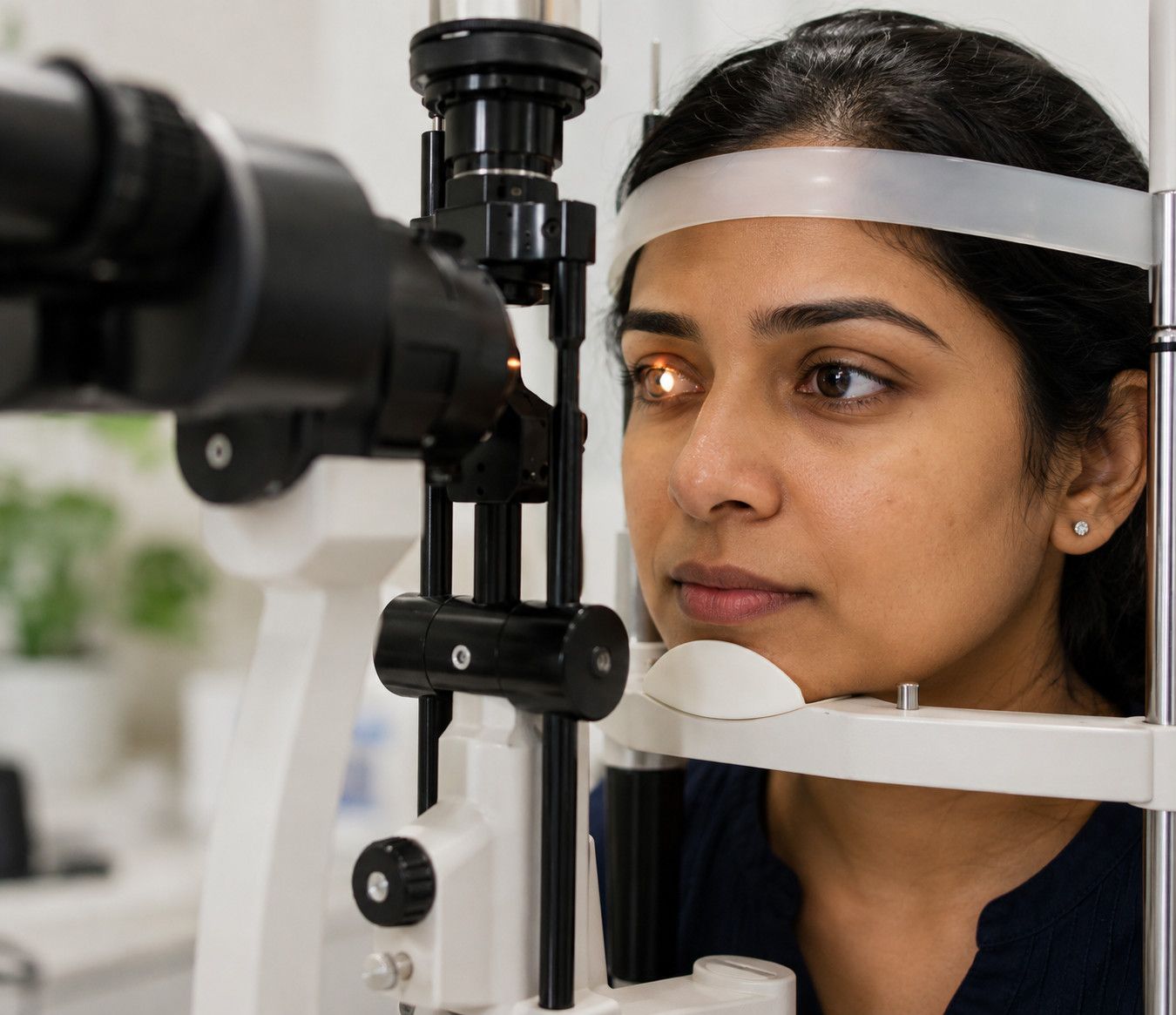
Assessment of eye pressure, optic nerve health and other risk factors to identify signs of glaucoma.
Careful evaluation of the optic nerve to detect and monitor glaucoma-related changes.
Assessment of peripheral vision to identify functional vision loss associated with glaucoma.
Follow-up examinations help track changes and determine whether treatment needs adjustment.
Management is planned according to the type and severity of glaucoma, eye pressure and individual risk factors.
Treatment options may include eye drops, laser procedures or surgery depending on clinical findings.
The following are risk factors or reasons to schedule an assessment, not a diagnosis:




Glaucoma treatment focuses on controlling eye pressure and reducing the risk of further optic nerve damage. The appropriate approach depends on the type and stage of glaucoma.
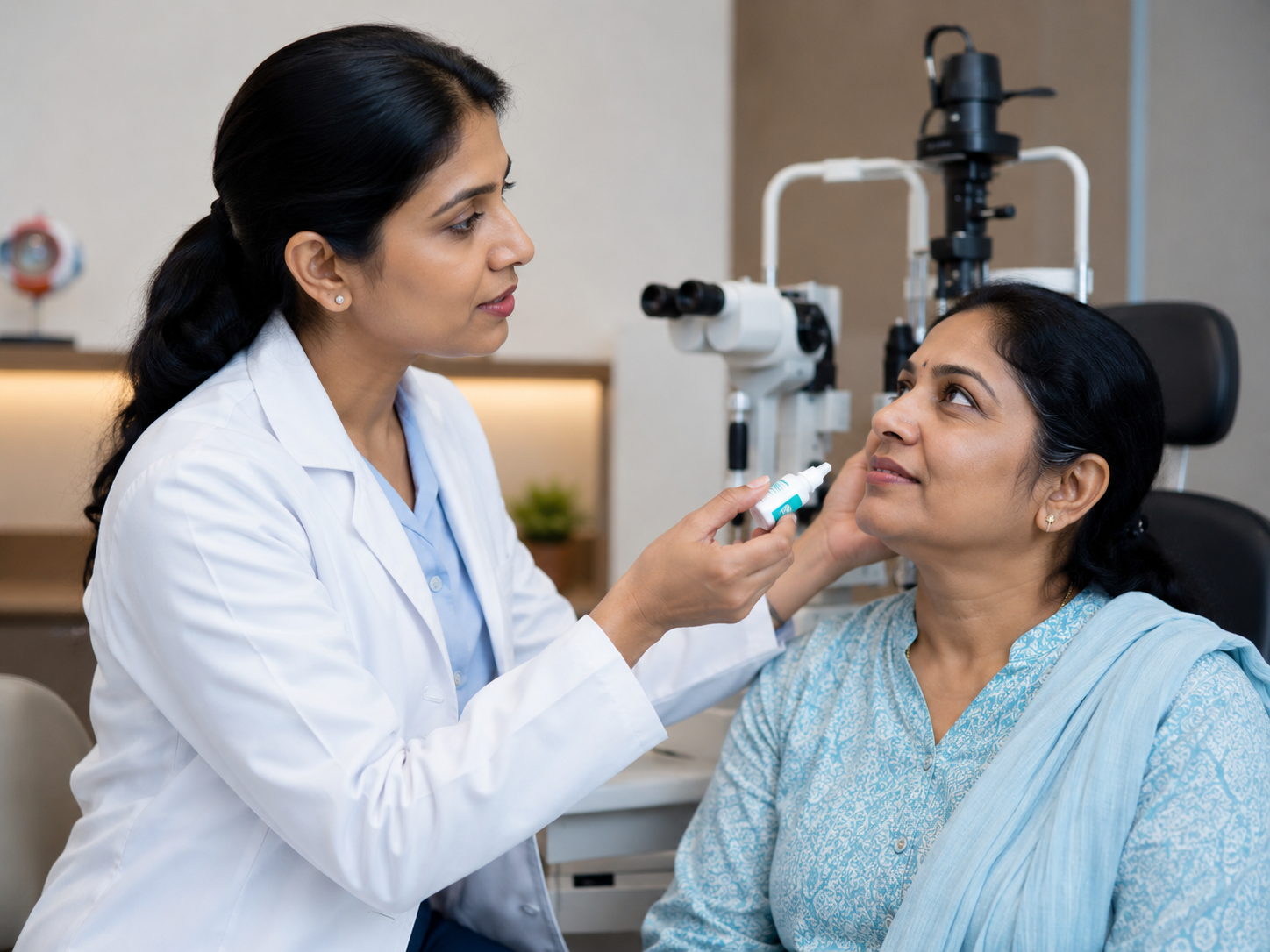
Prescription eye drops or other medications may be used to lower eye pressure and help reduce the risk of further optic nerve damage.
Book Consultation
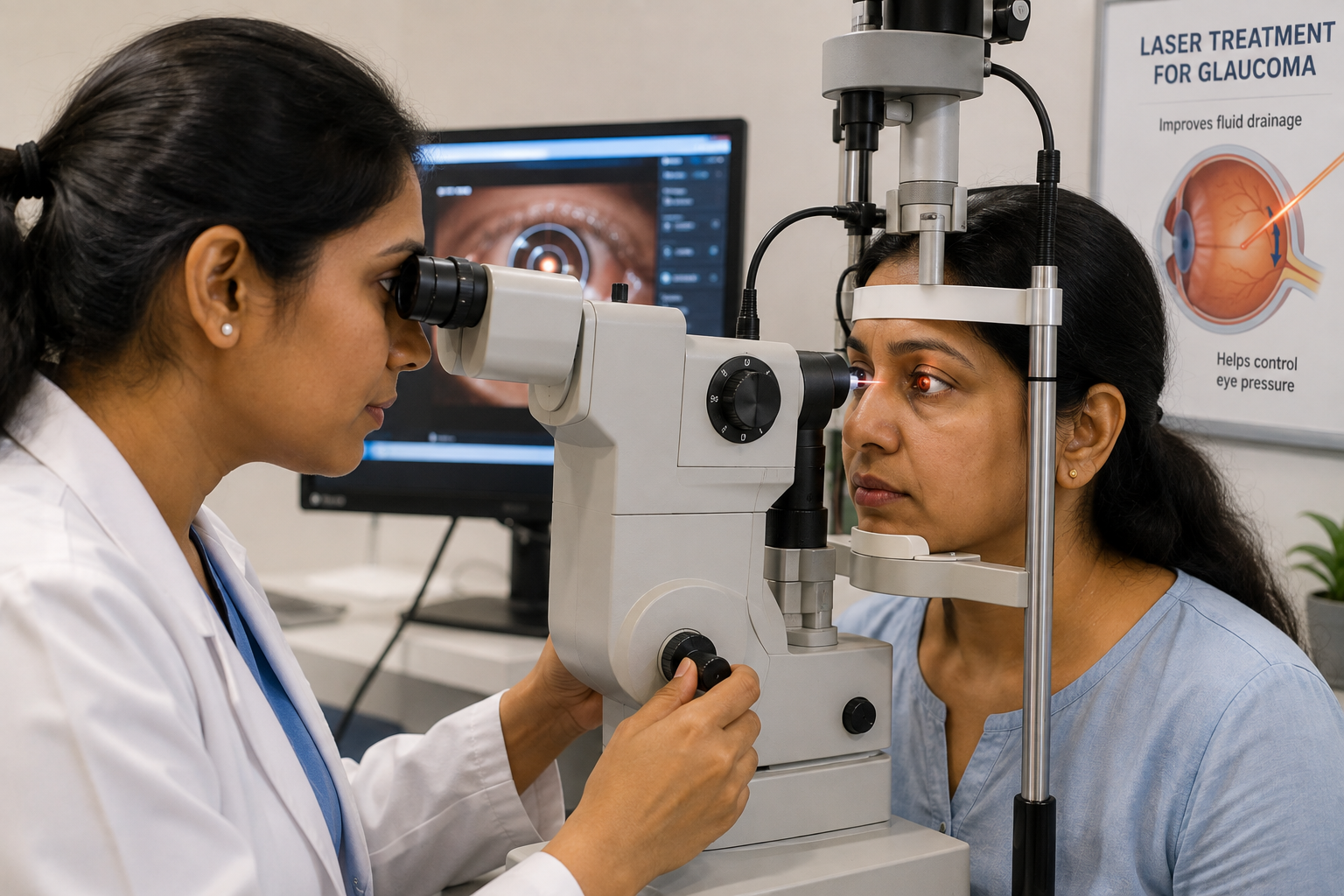
Laser procedures may be recommended for certain types of glaucoma to improve fluid drainage or help control pressure within the eye.
Book Consultation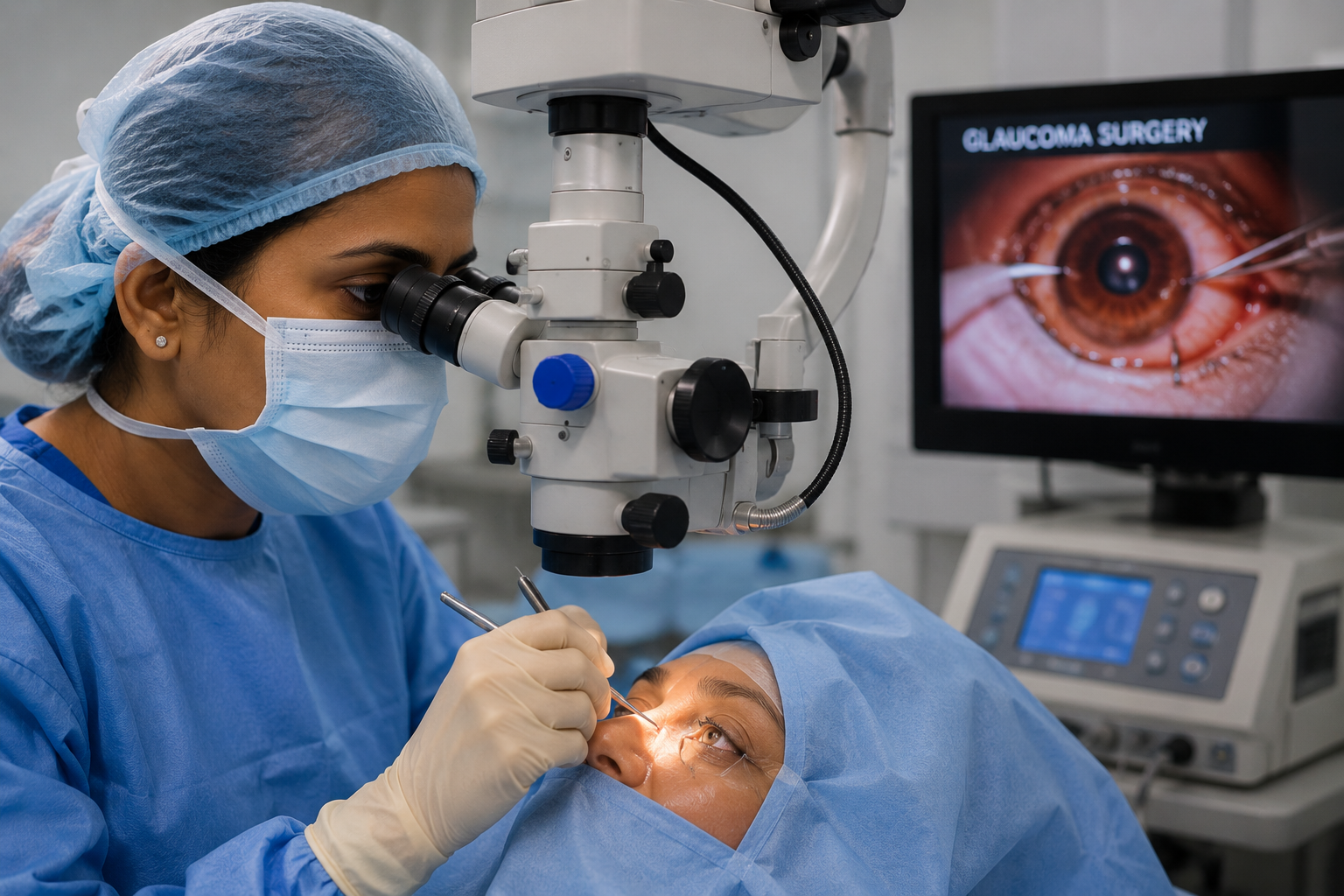
When medications or laser treatment do not provide sufficient pressure control, surgical treatment may be considered to help lower eye pressure.
Book ConsultationTimely glaucoma care helps protect remaining vision through careful pressure control and ongoing monitoring.

Aim to protect remaining vision through pressure control and ongoing monitoring.
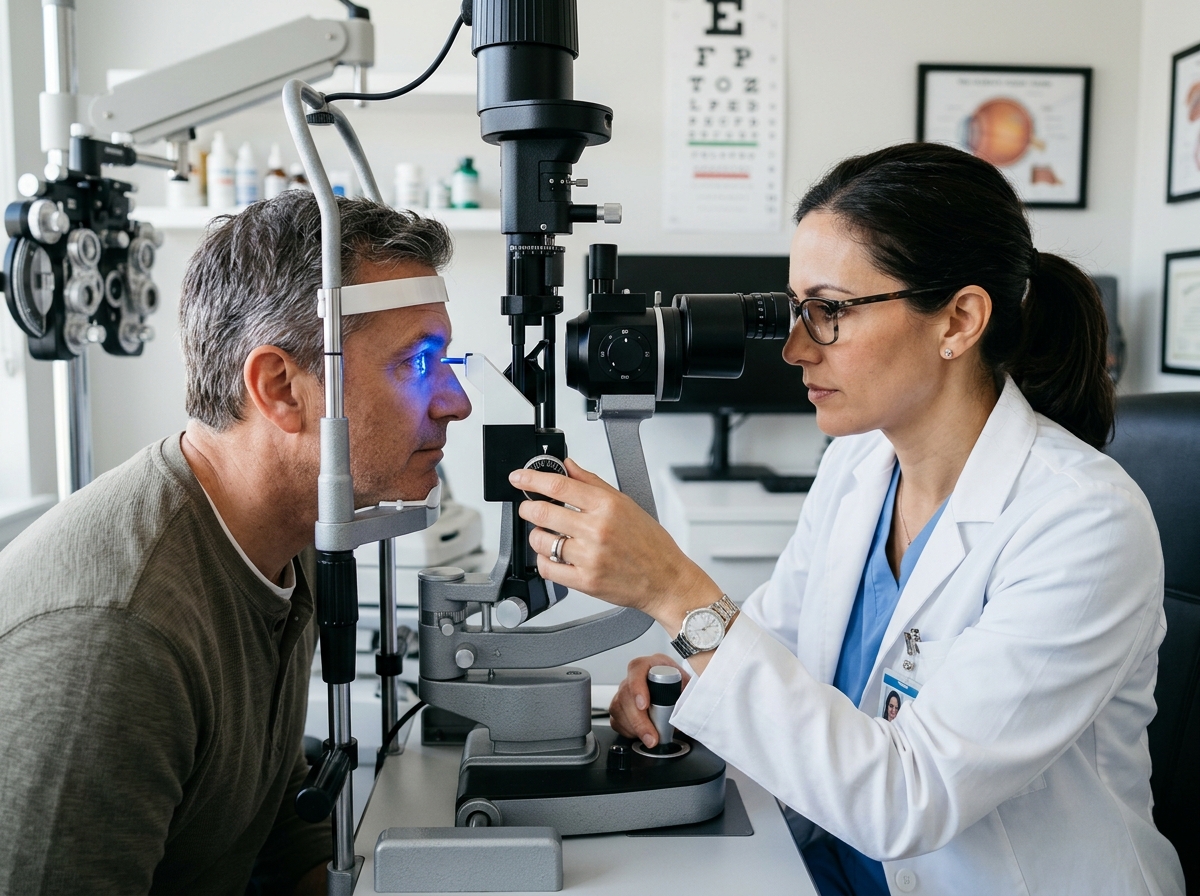
Treatment aims to maintain eye pressure at a level considered appropriate for the individual patient.
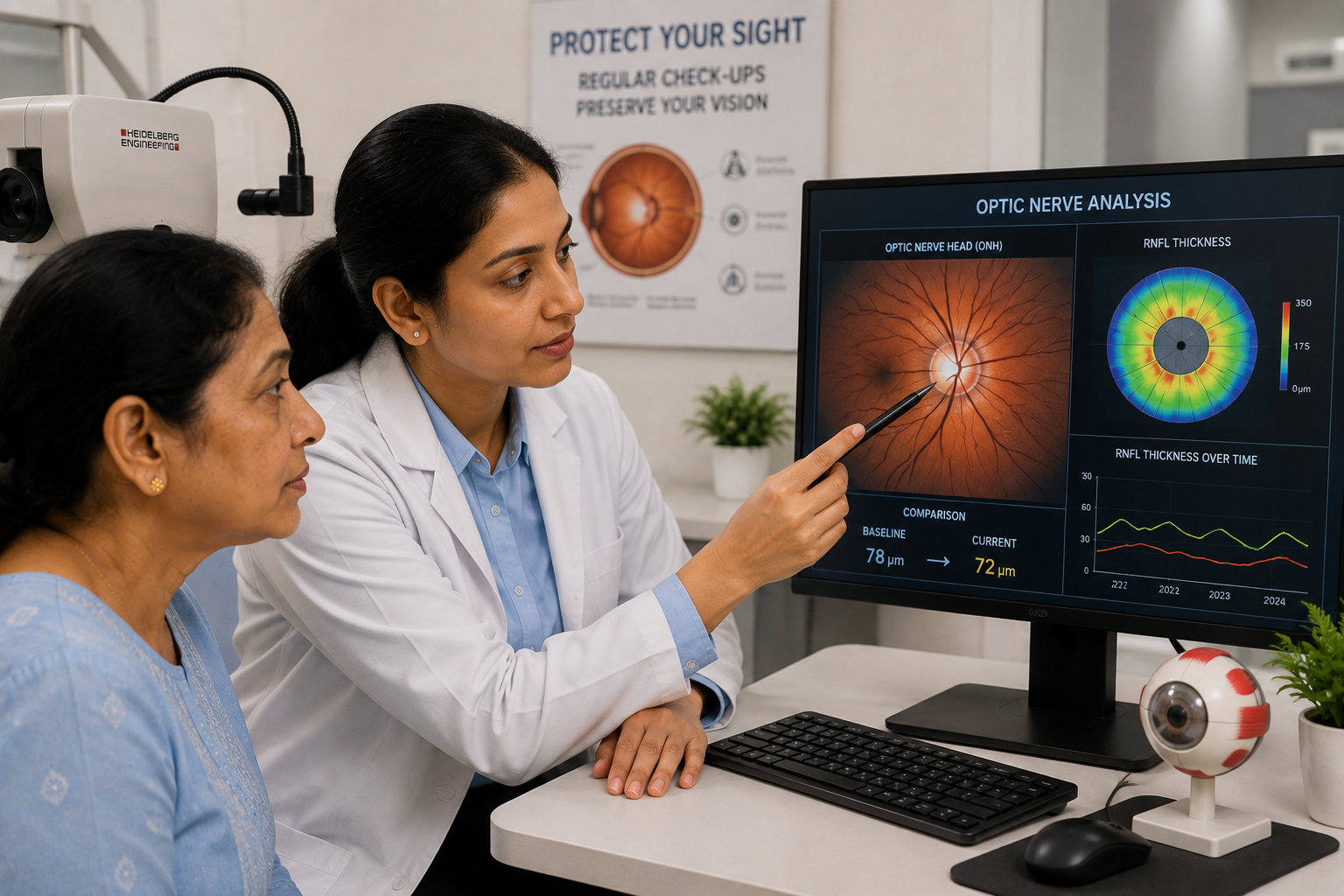
Regular examinations allow changes in the optic nerve to be identified and tracked over time.
What Our Patients Say About Shanti EyeTech

"I had a very good experience at Shanti Eye Tech Clinic. Dr. Amit Solanki is extremely knowledgeable, patient, and attentive. He listened carefully to my concerns and explained the condition and treatment clearly, which made me feel very comfortable and confident."
"Had a great experience. Sir explained everything in detail and has a very polite nature."
"Great experience and wonderful environment. Must visit for an eye checkup."
Our glaucoma care team can help you understand screening, risk factors, monitoring and treatment options.
Damage to the optic nerve caused by glaucoma is generally irreversible. However, treatment can lower eye pressure and help slow or prevent further damage.
No. Open-angle glaucoma, the most common form, often develops gradually without noticeable symptoms during its early stages.
No. Some people have elevated eye pressure without optic nerve damage, while others can develop glaucoma despite pressure readings within the statistically normal range. Diagnosis requires a complete eye assessment.
Regular comprehensive eye examinations become particularly important with increasing age and for people with risk factors such as a family history of glaucoma, elevated eye pressure or certain medical and ocular conditions.
Glaucoma is usually a long-term condition requiring ongoing monitoring. The type and duration of treatment depend on the individual patient and how the condition responds.
No. Many patients are managed with medication or laser treatment. Surgery may be considered when adequate pressure control is not achieved or when clinically appropriate.
Existing glaucoma-related optic nerve damage usually cannot be reversed. This is why early detection and prevention of additional damage are especially important.
Glaucoma can progress quietly. If you have increased eye pressure, a family history of glaucoma or other risk factors, a comprehensive glaucoma evaluation can help assess your optic nerve health and determine whether monitoring or treatment is needed.
Detection Matters

 Book Consultation

 Call: +91 91791 91939