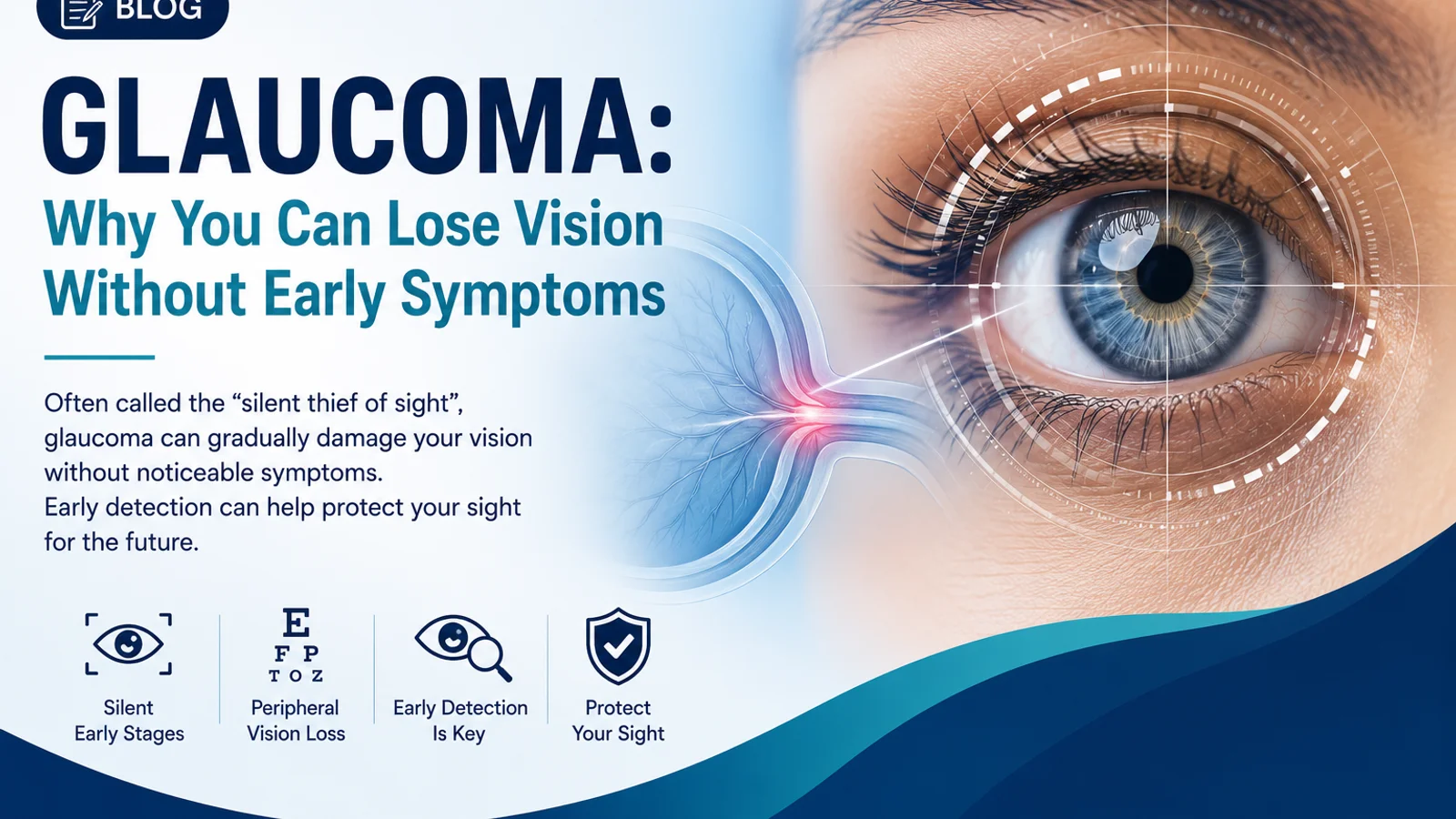
What Is Glaucoma?
Glaucoma refers to a group of eye conditions that damage the optic nerve—the structure responsible for carrying visual information from the eye to the brain.
Glaucoma is often associated with increased pressure inside the eye, although optic nerve damage can also occur when measured eye pressure is within the normal range.
Why Is Glaucoma Called the “Silent Thief of Sight”?
The most common form, primary open-angle glaucoma, may produce no obvious symptoms during its early stages.
Peripheral or side vision can gradually become affected, and patients may not recognise the change until significant damage has occurred.
Importantly, vision already lost because of glaucoma is generally irreversible.
This makes early detection particularly important.
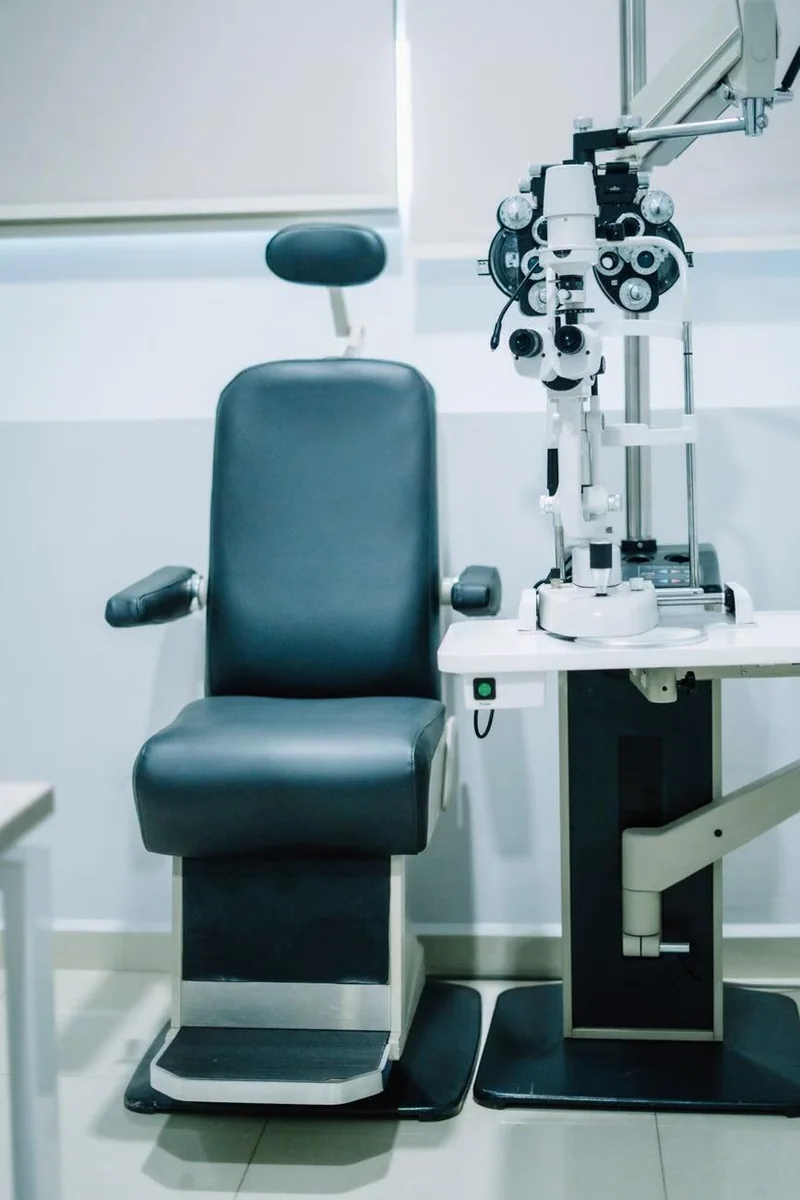
How Is Glaucoma Detected?
A glaucoma evaluation involves more than simply measuring eye pressure.
Depending on the patient, assessment may include measurement of intraocular pressure, examination of the optic nerve, visual-field testing, evaluation of the eye’s drainage angle and measurement of corneal thickness.
Are There Warning Signs?
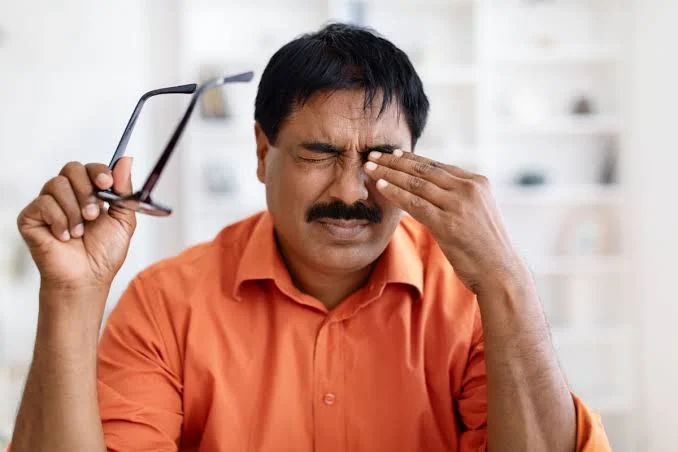
Sudden severe eye pain
Intense eye pain that begins suddenly may be a sign of an eye emergency requiring immediate evaluation.
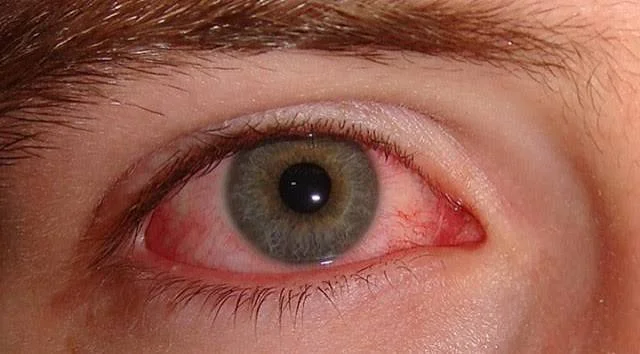
Redness
Significant redness of the eye, especially when accompanied by pain or vision changes, should not be ignored.

Headache
A severe headache occurring with eye discomfort or blurred vision may be associated with acute glaucoma.

Blurred vision
Sudden blurring of vision can indicate a rapid increase in eye pressure and needs urgent assessment.

Coloured halos around lights
Seeing rainbow-like halos around lights may be a warning sign of acute angle-closure glaucoma.

Nausea or vomiting
Nausea or vomiting together with severe eye pain and vision changes can occur during an acute glaucoma attack and requires immediate medical care.
Can Glaucoma Be Treated?
Yes. Although existing optic nerve damage generally cannot be reversed, treatment can help lower eye pressure and reduce the risk of further damage.
Depending on the type and severity, treatment may include medication, laser procedures or surgery.
Regular follow-up is an important part of long-term glaucoma management.
“Dr. Amit Solanki has been dedicated to the field of ophthalmology since 2003, amassing over 20 years of invaluable experience. He embarked on his journey by completing his undergraduate training (MBBS) followed by further postgraduate studies (MS) at the esteemed B.J. Medical College in Ahmedabad, Gujarat.”

This information is educational and does not replace individual medical evaluation or treatment.
Was this article helpful?
Subscribe to Newsletter
Get health tips.