Why are several tests needed?
Glaucoma describes a group of eye conditions that damage the optic nerve. The common open-angle type can develop with few early symptoms, which is why examination is important for people at risk. Damage already caused is usually permanent, but timely treatment may slow or prevent further damage.
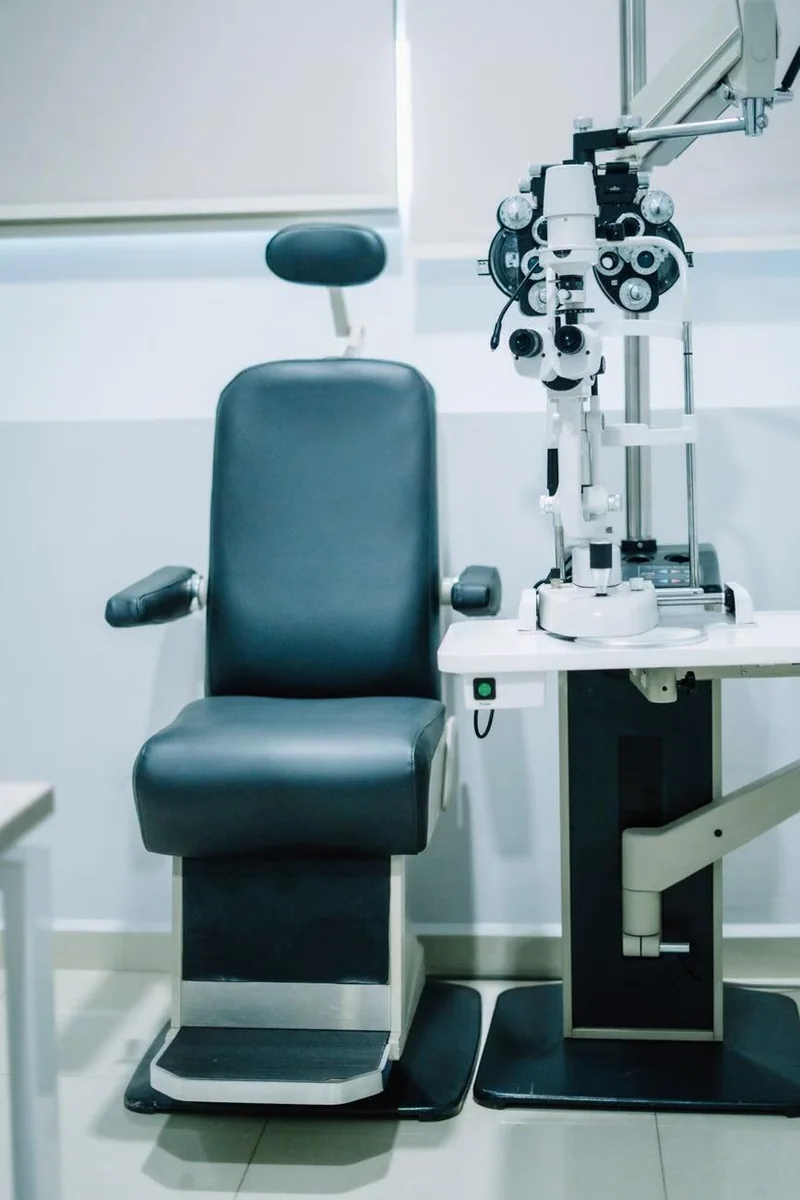
No single test provides every answer. Ophthalmologists consider eye pressure, the optic nerve, peripheral vision and other clinical findings together.
Eye pressure measurement (tonometry)
Tonometry measures pressure inside the eye. Pressure that is high for an individual may increase concern about glaucoma, but glaucoma can occur even when the reading falls within a commonly used normal range. Conversely, raised pressure alone does not always mean a person has optic nerve damage. The measurement is one part of the assessment.
OCT scan of the optic nerve
Optical coherence tomography, or OCT, uses light to create detailed cross-sectional images of eye structures. In glaucoma evaluation, it can help assess the retinal nerve fibre layer and optic nerve-related structures. Repeated scans can provide information about changes over time, although the ophthalmologist must interpret them alongside the examination and other tests.
Visual field testing (perimetry)
Visual field testing checks central and side vision. During the test, you respond when you notice small lights at different positions. This helps identify patterns of vision loss that may be associated with glaucoma. An unfamiliar test can feel tiring, and a repeat examination is sometimes needed to clarify results.
Other parts of a glaucoma examination
The doctor may also measure corneal thickness, examine the drainage angle, review family history and check the optic nerve after dilation. These details help interpret pressure readings and estimate individual risk. Follow-up frequency and treatment choices depend on your diagnosis and how the eye changes.
Evaluation in Indore
Shanti EyeTech lists glaucoma assessment using eye pressure testing, OCT, perimetry and pachymetry. If you have a family history of glaucoma or have been advised to review your eye pressure, ask the ophthalmologist which tests are appropriate for you.
Next step
If you have questions about your vision or are considering an eye examination, contact Shanti EyeTech in Indore to discuss an appropriate evaluation. A consultation and examination are needed before any diagnosis or treatment decision.
Medical information is provided for general education and does not replace individual professional advice. Seek urgent ophthalmic care for sudden loss of vision, severe eye pain, or other acute symptoms.
Frequently Asked Questions
Can glaucoma be present with normal eye pressure?
Yes. That is one reason an eye-pressure reading alone is not enough.
Is OCT painful?
OCT is generally a non-contact imaging test. Your clinical team can explain any associated examination steps.
How often should glaucoma tests be repeated?
There is no single schedule for everyone; it depends on your findings, risk and treatment plan.
Was this article helpful?
The information is for educational purposes and does not replace professional medical advice, diagnosis or treatment.