How can diabetes affect the eyes?
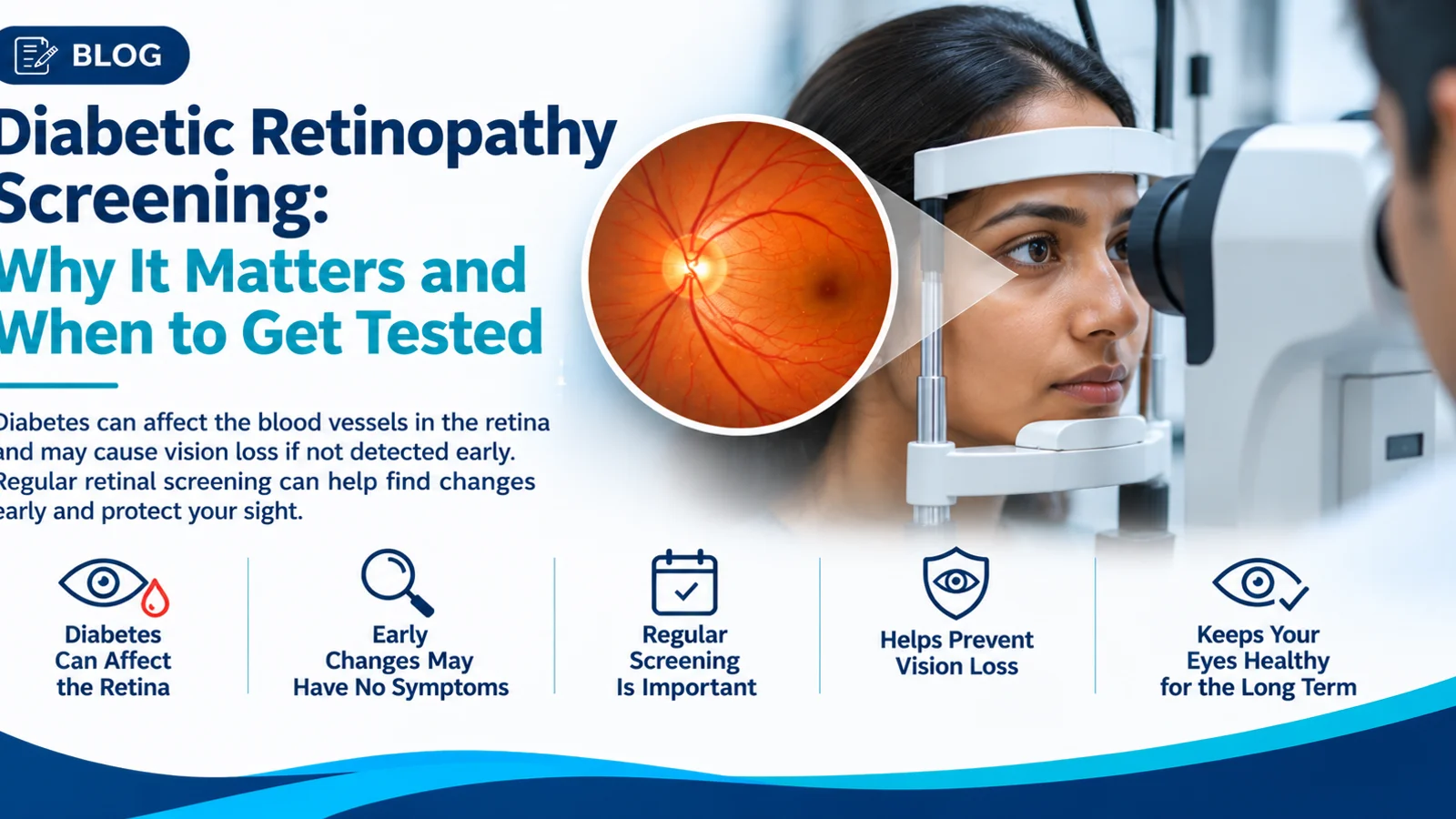
Diabetic retinopathy affects blood vessels in the retina, the light-sensitive layer at the back of the eye. Over time, these vessels may become damaged. Early retinal changes often produce no symptoms, so clear vision does not necessarily mean the retina is unaffected.
Why have an examination when your vision seems normal?
Waiting until eyesight becomes blurry can delay the discovery of a problem. Regular eye examinations give your ophthalmologist an opportunity to check the retina, assess risk and recommend suitable follow-up. The timing of examinations is individual; many people with diabetes are advised to have a dilated eye examination at least annually, while some need closer monitoring.
What happens during a dilated retinal exam?
Your eye-care team may use drops to widen your pupils, allowing the doctor to view the retina more fully. The examination may involve additional imaging depending on what is found and the available diagnostic equipment. Dilating drops can temporarily make near vision blurry and increase sensitivity to light, so ask the team about driving and practical precautions after the appointment.
What symptoms need prompt attention?
New blurred or distorted vision, dark spots or an increase in floating shapes should be assessed. Sudden flashes, many new floaters, a curtain-like shadow or sudden loss of vision require urgent assessment rather than waiting for a routine appointment. These symptoms are not specific to diabetes and may reflect other serious eye conditions.
What can you do beyond the eye examination?
Managing blood sugar, blood pressure and cholesterol with your treating doctor is important for overall health and can help reduce the risk of diabetic eye disease. Keep your scheduled retinal reviews even when you feel well. If specialist retinal treatment is recommended, your eye doctor can explain the appropriate next steps.
Retina assessment in Indore
Shanti EyeTech currently describes dilated retinal examination, detection and diagnosis, and treatment guidance or referral as its retina services. The clinic does not establish on its website that retinal injections or surgery are performed in-house; this article therefore focuses on screening and assessment.
Next step
If you have questions about your vision or are considering an eye examination, contact Shanti EyeTech in Indore to discuss an appropriate evaluation. A consultation and examination are needed before any diagnosis or treatment decision.
Medical information is provided for general education and does not replace individual professional advice. Seek urgent ophthalmic care for sudden loss of vision, severe eye pain, or other acute symptoms.
Frequently Asked Questions
Can diabetic retinopathy develop without blurry vision?
Yes. Early diabetic retinal changes may have no noticeable symptoms.
Does every person with diabetes need the same eye-check schedule?
No. Follow-up depends on diabetes history, pregnancy status, past retinal findings and the ophthalmologist’s advice.
Is a dilated eye exam the same as a routine glasses check?
Not necessarily. A dilated exam specifically allows more detailed examination of internal eye structures, including the retina.
Was this article helpful?
The information is for educational purposes and does not replace professional medical advice, diagnosis or treatment.