What Is a Cataract?
A cataract occurs when the normally clear natural lens inside the eye becomes cloudy.
The lens helps focus light onto the retina so that we can see clearly. As a cataract develops, this cloudiness can interfere with the passage of light and gradually reduce the quality of vision.
Cataracts can affect one or both eyes, and the rate at which they progress varies from person to person.
Common Signs of Cataract
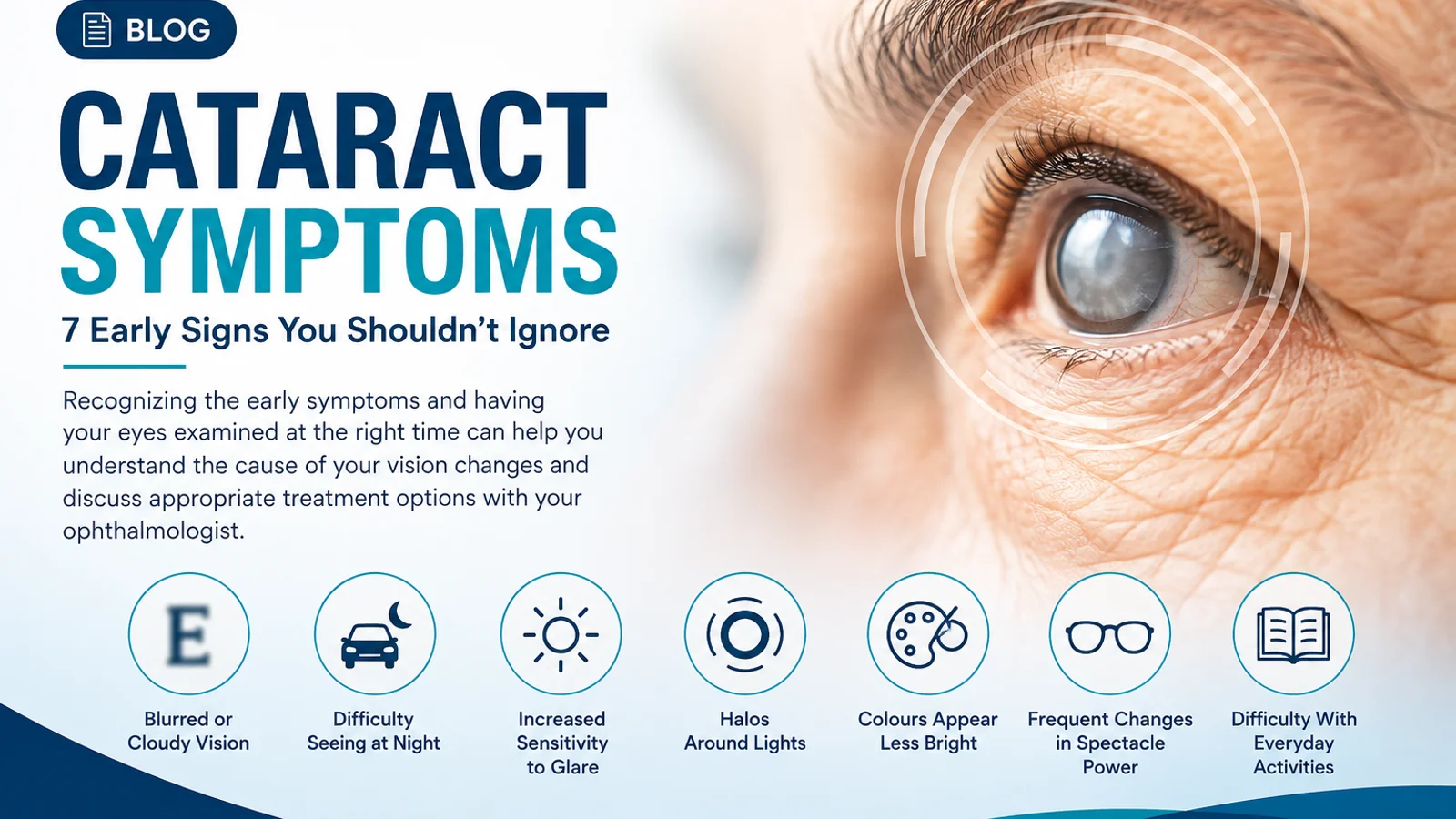
- 1Blurred or Cloudy Vision
One of the most common symptoms of cataract is gradually blurred, hazy or cloudy vision. You may feel as though you are looking through a foggy or dirty window, even when wearing your regular spectacles.
- 2Difficulty Seeing at Night
Cataracts can make it increasingly difficult to see clearly in low-light conditions. Driving at night may become particularly uncomfortable as road signs, pedestrians or objects become harder to see.
- 3Increased Sensitivity to Glare
Bright sunlight, headlights and other strong light sources may become increasingly uncomfortable. Some people begin avoiding night driving because the glare from oncoming headlights makes it difficult to see clearly.
- 4Halos Around Lights
You may begin noticing rings or halos around headlights, streetlights and other bright sources of light. If this symptom is new or becoming more noticeable, an eye examination can help determine the underlying cause.
- 5Colours Appear Less Bright
Cataracts can gradually affect colour perception. Colours may begin to look faded, dull or slightly yellow compared with how you previously saw them. Because this change often develops slowly, it may not be immediately obvious.
- 6Frequent Changes in Spectacle Power
If your spectacle prescription seems to require repeated changes but your vision still does not feel clear, the underlying problem may not simply be your glasses. An eye examination can determine whether a cataract or another eye condition is affecting your vision.
- 7Difficulty With Everyday Activities
As a cataract progresses, tasks that were once easy may become more difficult. You may experience problems while: Reading small print Using a computer or mobile phone Driving, particularly at night Recognising faces from a distance Watching television Performing detailed work When declining vision begins interfering with daily life, it is particularly important to have your eyes evaluated.
What Causes Cataracts?
Ageing is one of the most common factors associated with cataract development, but cataracts can also be associated with other factors.
These may include diabetes, previous eye injury, certain medications, prolonged exposure to ultraviolet radiation and other eye or medical conditions.
Having one or more risk factors does not necessarily mean that you will develop a cataract.
Can Cataracts Be Prevented?
Not every cataract can be prevented.
However, protecting your overall eye health remains important. Regular eye examinations, UV-protective sunglasses, appropriate management of conditions such as diabetes, avoiding smoking and following your doctor’s medical advice can all contribute to maintaining healthier eyes.
When Should You See an Eye Doctor?

Gradually worsening vision
Vision that becomes blurrier over time may be an early sign of cataracts. Everyday activities such as reading, watching television, or recognizing faces can gradually become more difficult as the eye's natural lens loses its clarity.

Increasing Glare
Bright lights, sunlight, or headlights may cause excessive glare, making it uncomfortable to see clearly. This symptom often becomes more noticeable during outdoor activities or while driving.

Difficulty Driving at Night
Cataracts can reduce contrast and increase sensitivity to headlights, making night driving challenging. You may find it harder to judge distances, read road signs, or see pedestrians in low-light conditions.

Halos Around Lights
Seeing bright circles or halos around lights, especially at night, is a common symptom of cataracts. These visual disturbances can make driving and other nighttime activities more difficult.
Frequent Spectacle-Power Changes
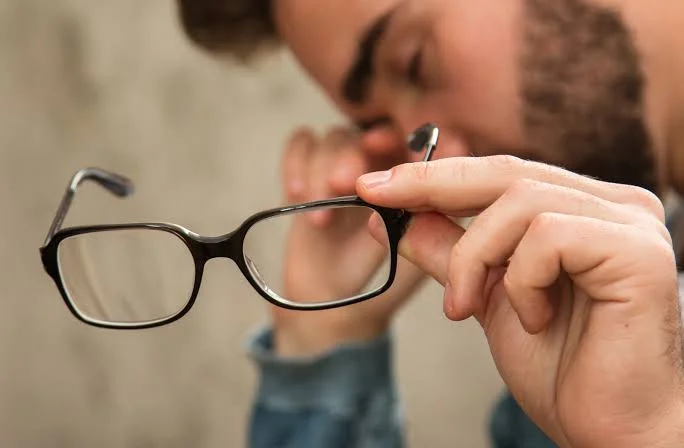
If your eyeglass prescription changes frequently but your vision still doesn't improve, cataracts may be the underlying cause. As the cataract progresses, it can alter the way light passes through the eye.

Colours Appearing Faded
Colours may begin to look dull, yellowish, or less vibrant as cataracts develop. This happens because the cloudy lens blocks and distorts light, reducing colour clarity and brightness.
Does Having a Cataract Mean I Need Surgery Immediately?
Not necessarily.
The presence of a cataract alone does not determine when surgery should be performed.
Your ophthalmologist will consider how much the cataract is affecting your vision, daily activities, eye health and individual requirements before recommending treatment.
When cataracts begin significantly affecting functional vision and quality of life, cataract surgery may be considered.
This article is intended for general educational purposes only and should not be used as a substitute for professional medical advice, diagnosis or treatment. Individual symptoms and treatment requirements vary. Consult a qualified eye-care professional for advice regarding your specific condition.
Was this article helpful?
Subscribe to Newsletter
Get health tips.